






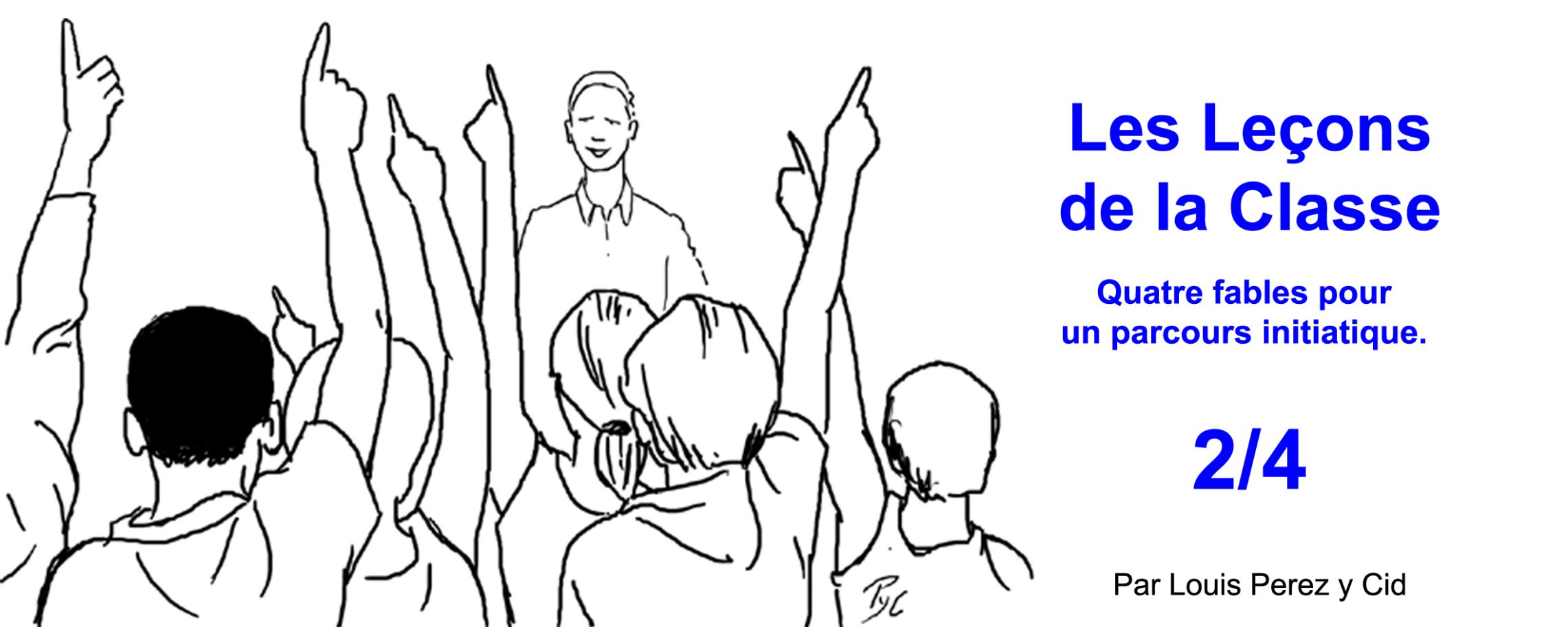
Classroom Lessons 2/4
The Elite Class
In the same peaceful school, the following day, the economics teacher wanted to show the other extreme.
“In previous lessons, we looked at socialism,” he said.
“Today, let’s talk about capitalism, the justice of merit. Here, there will be no artificial equality; only effort will count. Work will be rewarded, mediocrity condemned.”
A heavy silence fell.
Marie, lively and bright, felt her blood boil; she wanted to win.
Lucas, tenacious but ordinary, felt anxiety creeping in.
Tom, dreamy and distracted, lowered his head; he sensed his defeat.
The first test was a shock; the best students triumphed, the others fell.
The second test turned into an arena. Some trembled, others rejoiced.
The third test saw the gaps widen, glances harden, and the success of some brought shame to others. Cliques formed. The professor, impassive, concluded.
“That is absolute merit. The best rise, the mediocre fade away. Every effort has a price, every success a conquest.” Marie had won, but at what cost? Lucas had progressed, but on the verge of exhaustion. Tom, for his part, knew he had to change or disappear.
Moral.
When merit alone reigns, life becomes an arena, excellence rises, weakness fades. Equality appeases, but merit forges giants and the forgotten.
Note.
What holds true for this class also holds true for a nation.
Look at England, which elevates the individual above the collective.