






All this is happening above our heads
What if we were talking about Mars…in December?
Mars in the human imagination.
How many novels and films have depicted the invasion of Earth by these creatures from elsewhere, from our galaxy or even further afield?
Aboard flying saucers, their movements sometimes shrill, sometimes perfectly still, depending on the witness, equipped with extravagant lights, they come to spy on us, mainly at night, provoking insurmountable anxieties and psychedelic episodes in some humans.
Certainly, they differ from us physically. The authors' imaginations know no bounds. Slanted eyes, missing fingers, including a small one that remains raised, a language supposedly understandable by humans.
And in the majority of these works, one constant remains: they come from Mars. The little green men are after our planet.
When we invite people to look at the Moon through telescopes at our parties, it's not uncommon, far from it, to hear some ask: "Can we see the Martians?" It just goes to show, they're everywhere.
How did they come into being? What does Mars represent? Is it comparable to ours? And when will we see humans on Mars?
Let's try to answer these questions.
Planet Mars, introduce yourself.
Moving away from the Sun, Mars is the fourth planet. It is approximately 220 million kilometers from our star.
It orbits the Sun in just under two years, 687 days to be precise. This means that, given that Earth takes one year to orbit the Sun, the two planets come closest and are on the same side of the Sun approximately every 22 months. At this point, Mars is said to be in opposition (relative to the Sun). The last opposition occurred on January 16, 2025, and the next ones will be on February 19, 2027, and March 25, 2029.
This has an immediate consequence regarding its exploration. Everyone understands that after the 9 to 10 months of travel required to reach it, Mars will be on the opposite side of the Sun when the rover, crewed or not, lands on the Martian surface.
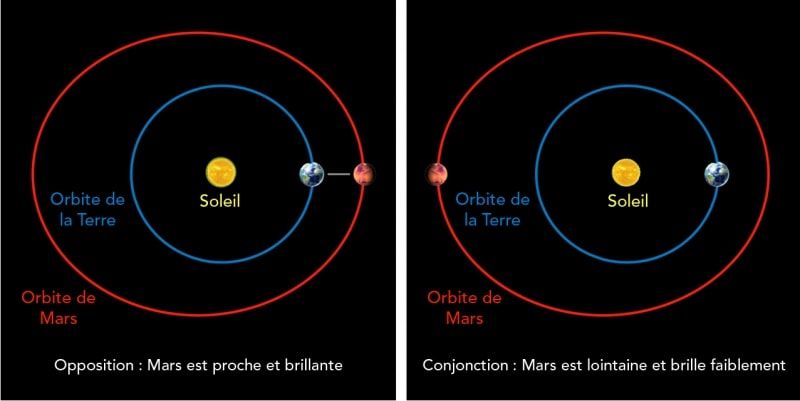
When it came to landing on the Moon, at whatever point in time it was considered, the Moon was always only between 360,000 and 405,000 kilometers away, practically within reach. But when Mars is on the other side, it is 150 million kilometers away (the distance from Earth to the Sun) plus 220 million kilometers (the distance from Mars to the Sun). As our equestrian friends would say, you can't cover that distance by lifting a horse's hoof.
Its size is only half that of Earth in diameter, making it the second smallest planet after Mercury.
At this distance from the Sun, its temperature averages only -63°C. Humans who one day settle on Mars will enjoy a mild summer temperature of 20°C, but will need to bring a light sweater for winter, as they will experience temperatures as low as -143°C.
We talk about seasons because Mars, like Earth, is tilted on its axis of rotation, which creates the seasons. Its rotation is almost identical to Earth's: 24 hours and 40 minutes.
Its size is only half that of Earth in diameter, making it the second smallest planet after Mercury.
At this distance from the Sun, its temperature averages only -63°C. Humans who one day settle on Mars will enjoy a mild summer temperature of 20°C, but will need to bring a light sweater for winter, as they will experience temperatures as low as -143°C.
We talk about seasons because Mars, like Earth, is tilted on its axis of rotation, which creates the seasons. Its rotation is almost identical to Earth's: 24 hours and 40 minutes.
As on the Moon, when humans find a way to go there, they will be able to recreate the flying dancers in a Martian choreography. Their equipment and bodies will feel incredibly light. Gravity is only one-sixth that of Earth.
Observing Mars is disappointing. Even when it is in a very favorable position, opposition, Mars remains just a small orange dot in the sky.
I confess that I have never been particularly excited about observing Mars. With commercially available telescopes, even the largest ones, 250 or 300 mm, you will get a very small image revealing, if conditions are optimal, a tiny white patch at the pole. Indeed, Mars has icy poles. To imagine that we will walk on its surface, as we do on the Moon, for example, is a huge leap, one I will not take.
Observing Mars is disappointing. Even when it is in a very favorable position, opposition, Mars remains just a small orange dot in the sky.
I confess that I have never been particularly excited about observing Mars. With commercially available telescopes, even the largest ones, 250 or 300 mm, you will get a very small image revealing, if conditions are optimal, a tiny white patch at the pole. Indeed, Mars has icy poles. To imagine that we will walk on its surface, as we do on the Moon, for example, is a huge leap, one I will not take.

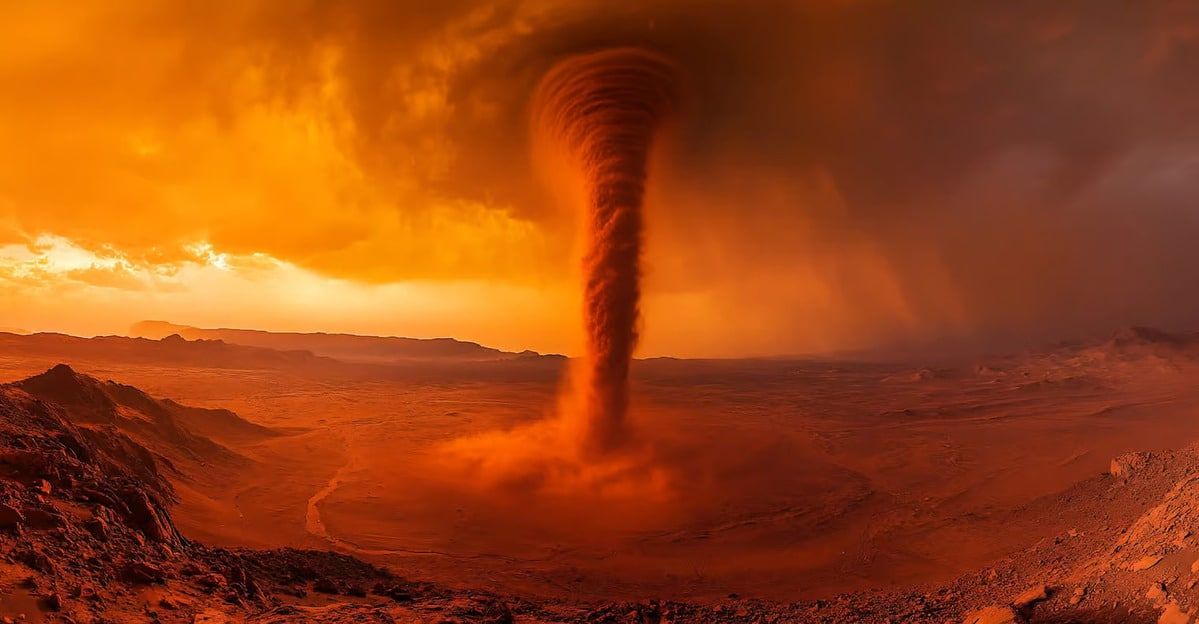
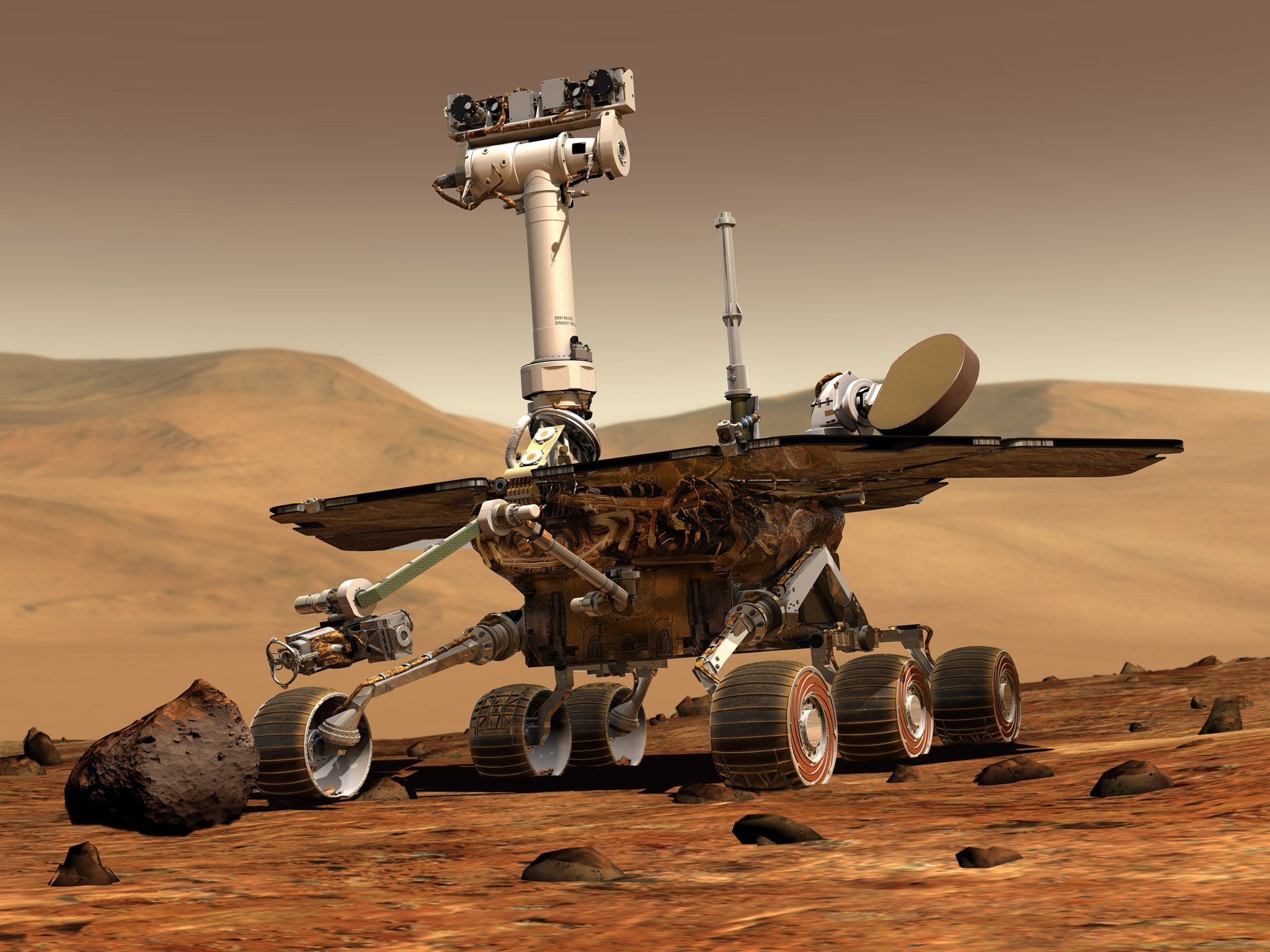
Just like on Earth, temperatures vary throughout the day, generating winds. This is characteristic of this planet. Violent winds sweep across the Martian landscape, the "Dust Devils," raising very dense, opaque clouds, to the point that a rover, Opportunity, which landed in January 2004, was unable to recharge its batteries due to a dust storm that lasted six months. Last contact was in January 2019.
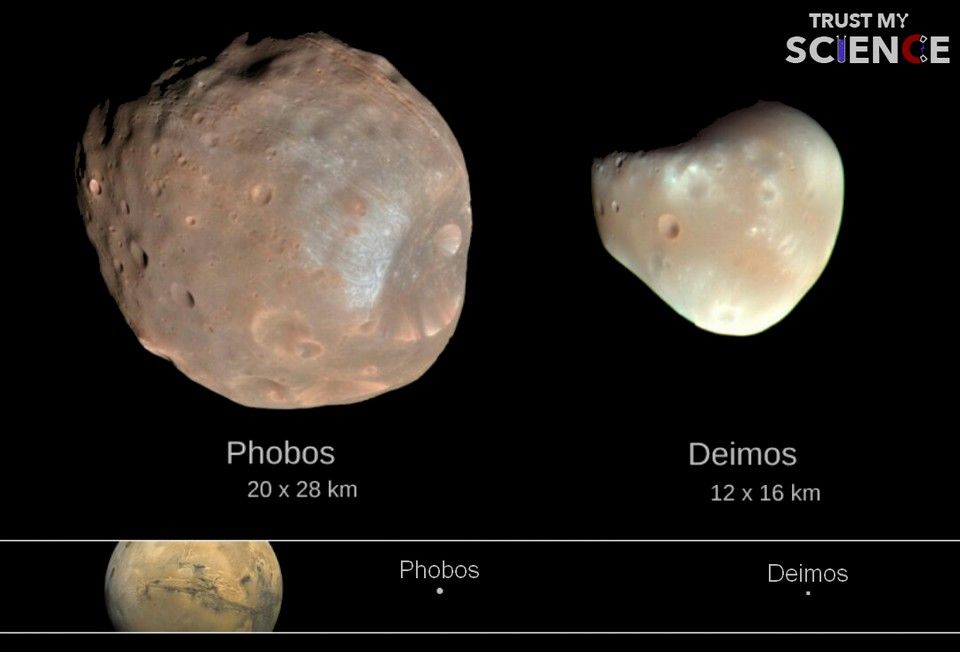
Two moons orbit Mars: Phobos and Deimos. These were the names of the chariot horses of the god of war, Mars for the Romans, Ares for the Greeks. Their names alone must have been intimidating, as they mean Fear and Terror! They are all small and not round.
Finally, three curiosities await us in terms of its physical appearance.
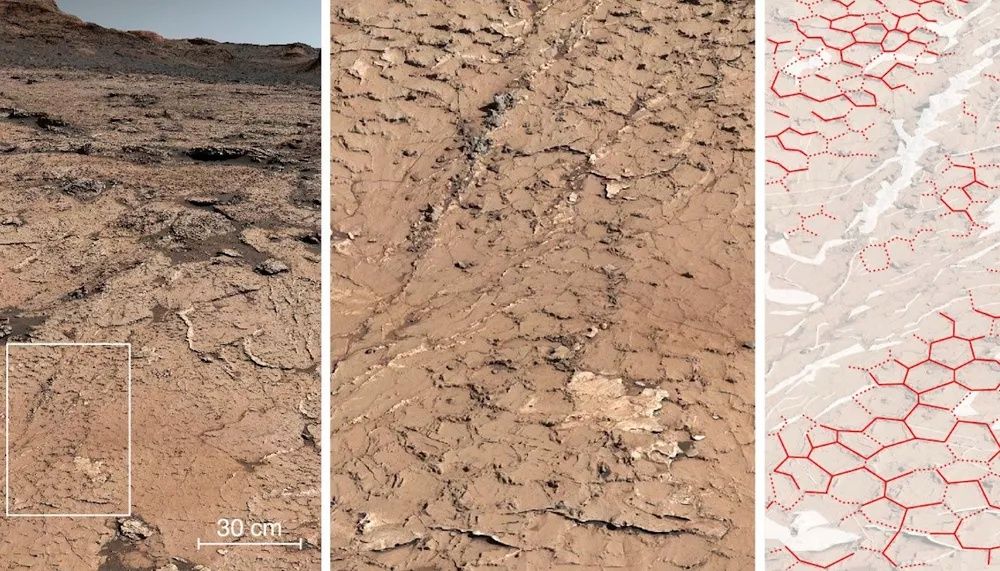
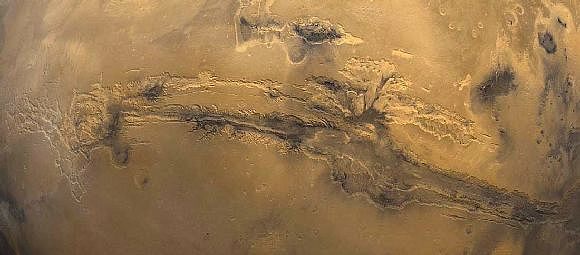
The first is this enormous scar, 5,000 kilometers long, five times the depth of the Grand Canyon in the United States. This is Valles Marineris. Without a doubt, it is a vast dried-up lake. This confirms that there was a time, long ago, when Mars contained liquid water. And this past has largely contributed to fueling the curiosity of humankind in its search for extraterrestrial life. If water once flowed, why wouldn't we find traces of this water, and why not traces of life? This is precisely the mission of the robots sent here.
The first is this enormous scar, 5,000 kilometers long, five times the depth of the Grand Canyon in the United States. This is Valles Marineris. Without a doubt, it is a vast dried-up lake. This confirms that there was a time, long ago, when Mars contained liquid water. And this past has largely contributed to fueling the curiosity of humankind in its search for extraterrestrial life. If water once flowed, why wouldn't we find traces of this water, and why not traces of life? This is precisely the mission of the robots sent here.
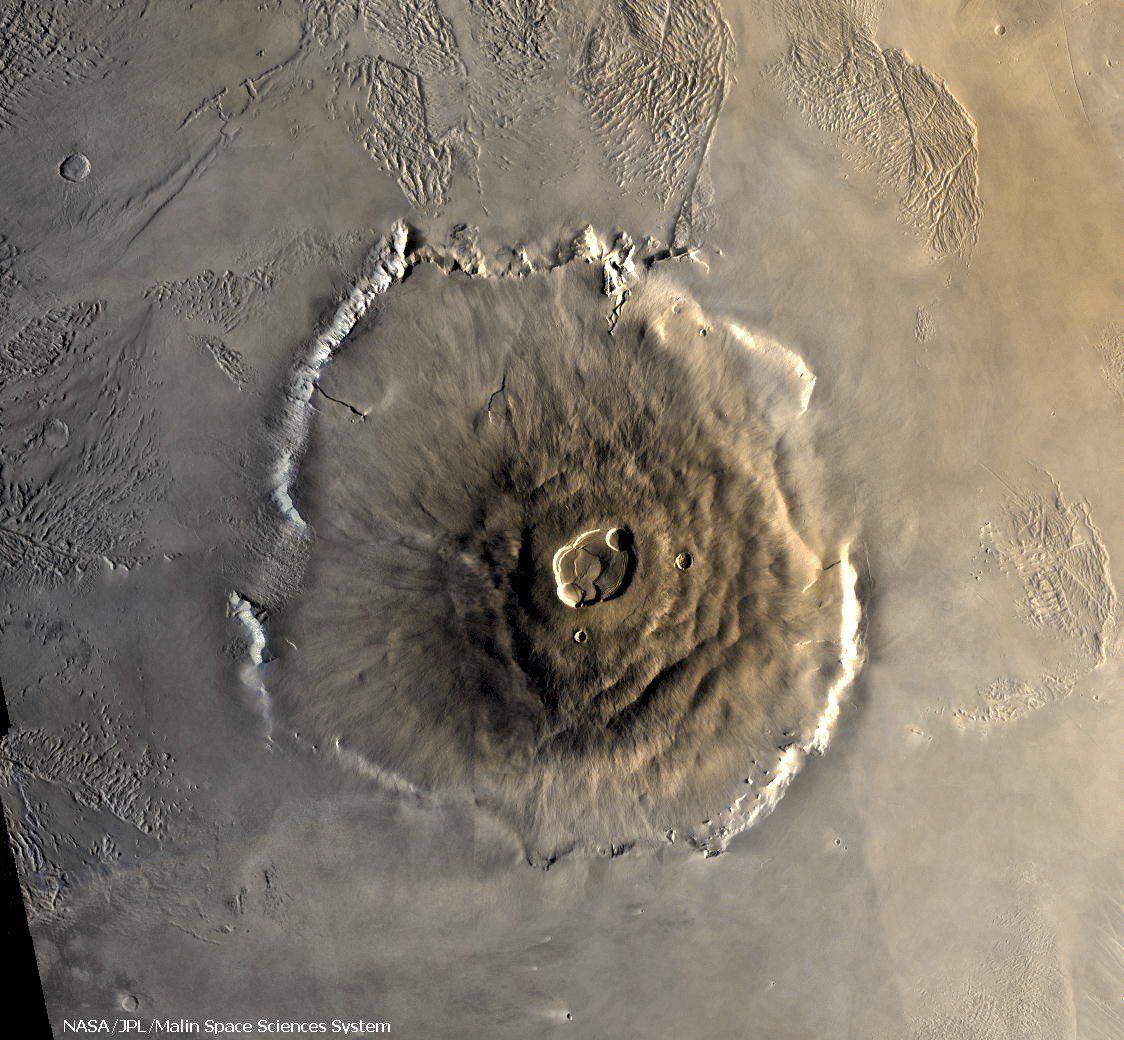
The largest volcano in the Solar System is also located on the Red Planet. Its dimensions are impressive: 700 km in diameter, meaning you could place France on it, and 22,000 meters high. As a reminder, Mount Everest reaches 8,848 m. Almost three times higher for a planet half the size. So much so that a person standing at the foot of this volcano, Olympus Mons, wouldn't be able to see its summit. It would be hidden by the horizon!
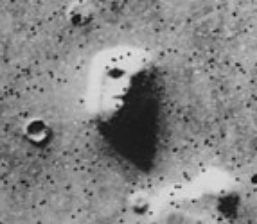
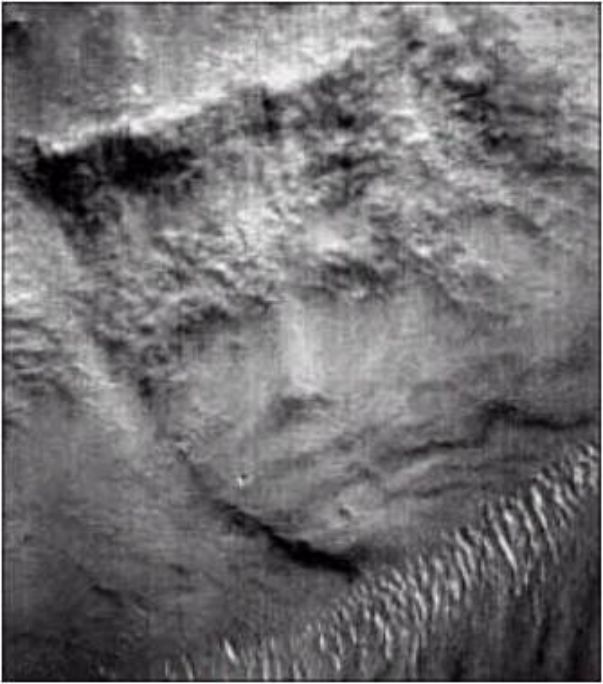
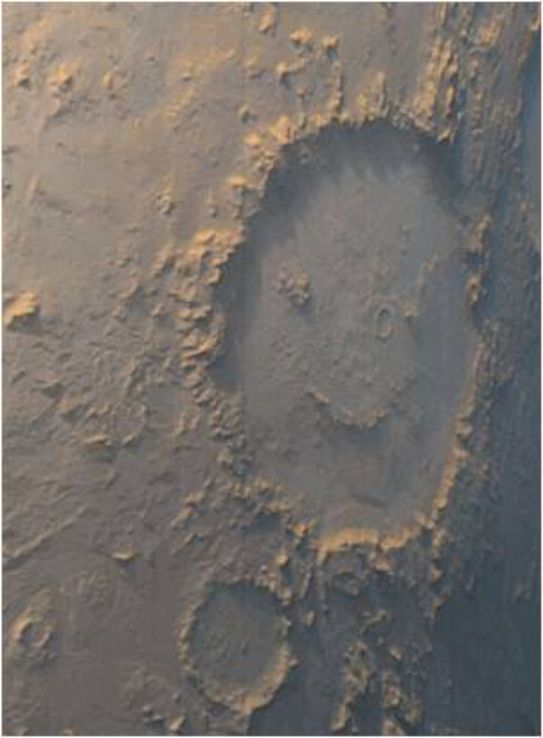
Finally, the third distinctive feature is what's called Cydonia. I've included a photo of it. This face is simply a play of light and shadow on a landscape, like King Face and Gale Crater, where NASA landed the Curiosity rover in August 2012.
Looking at Cydonia, I still have this poignant thought of the first astronomer who spotted it. I imagine him at 2 or 3 in the morning, exhausted from a night of observing Mars, in his observatory, and stumbling upon this: "Boss, there's a guy looking at me on Mars!" We must have had to cut out his rosé from Provence.
Mars still inspires dreams.
Looking at Cydonia, I still have this poignant thought of the first astronomer who spotted it. I imagine him at 2 or 3 in the morning, exhausted from a night of observing Mars, in his observatory, and stumbling upon this: "Boss, there's a guy looking at me on Mars!" We must have had to cut out his rosé from Provence.
Mars still inspires dreams.
Humans and the Conquest of Mars
Nicknamed the Red Planet, its color due to iron oxide, the result of water flowing over Martian rocks that contained iron. Astronomers don't hesitate to call it the rusty planet of the solar system.
Humans have always observed Mars and its characteristic color. The Babylonians saw it as the God of death, destruction, and fire. The Egyptians had noticed its backward movement, what we call retrograde motion.
The Hebrews called it "the one that blushes."
In 1600, in Prague, Kepler observed it and spent six years calculating its orbit. At the same time, he published Kepler's first law, which is still used today.
But to the naked eye, there was little physical evidence to observe. The advent of telescopes would allow for progress.
What changed everything were Giovanni Schiaparelli's observations in 1877. He saw straight formations on Mars and called them "canali," canals.
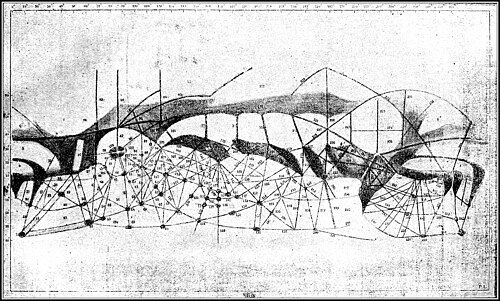
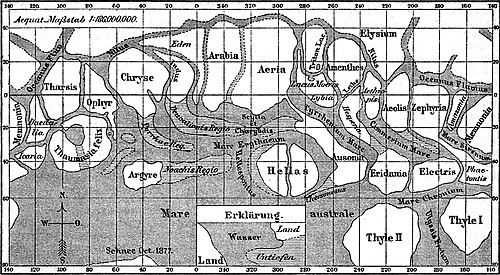
Percival Lowell, the very same person who would later propose the existence of the ninth planet (Pluto), hypothesized that these canals served to irrigate the equatorial lands from the polar ice caps. The inhabitants of Mars thus combated drought and desertification using a system of pumps and sluices.
This supposed presence of water was enough to persuade humans to visit Mars. From the very beginning of the space age, Mars was on the agenda.
Sputnik, the first satellite placed in orbit around Earth: October 4, 1957.
On October 24, 1962, the Soviets launched Sputnik 22 to attempt a Mars flyby.
The first spacecraft to perform this flyby was Mariner 4 in 1965.
Even then, the Soviets and Americans were engaged in a race that would see the Americans achieve the first landing on Mars with the Viking probe in 1975.
This supposed presence of water was enough to persuade humans to visit Mars. From the very beginning of the space age, Mars was on the agenda.
Sputnik, the first satellite placed in orbit around Earth: October 4, 1957.
On October 24, 1962, the Soviets launched Sputnik 22 to attempt a Mars flyby.
The first spacecraft to perform this flyby was Mariner 4 in 1965.
Even then, the Soviets and Americans were engaged in a race that would see the Americans achieve the first landing on Mars with the Viking probe in 1975.
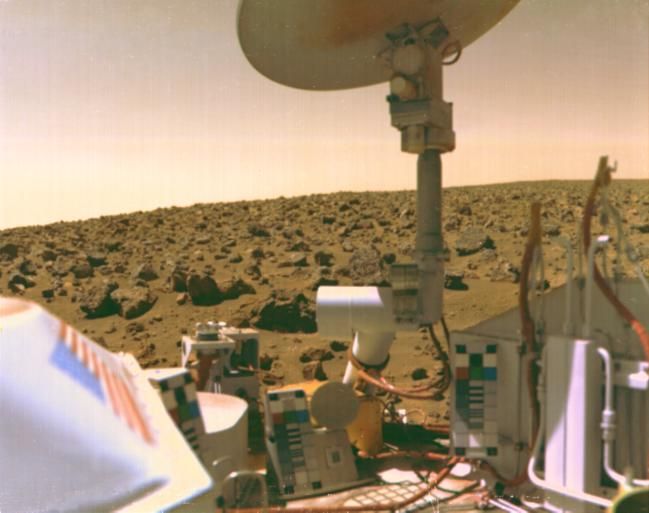
Other probes quickly followed: Mars Pathfinder, Spirit, and Opportunity in 2004, Mars Phoenix in 2008, Curiosity in 2012 (weighing 900 kg, about the size of a car), and Perseverance in February 2021, accompanied by a drone.
The latter two are still operational and send us images daily.
Even better, Perseverance is digging holes, drilling into rocks, and creating small piles of Martian soil. One day, Europeans will send a robot to collect these piles and bring them back to Earth for study.
The latter two are still operational and send us images daily.
Even better, Perseverance is digging holes, drilling into rocks, and creating small piles of Martian soil. One day, Europeans will send a robot to collect these piles and bring them back to Earth for study.
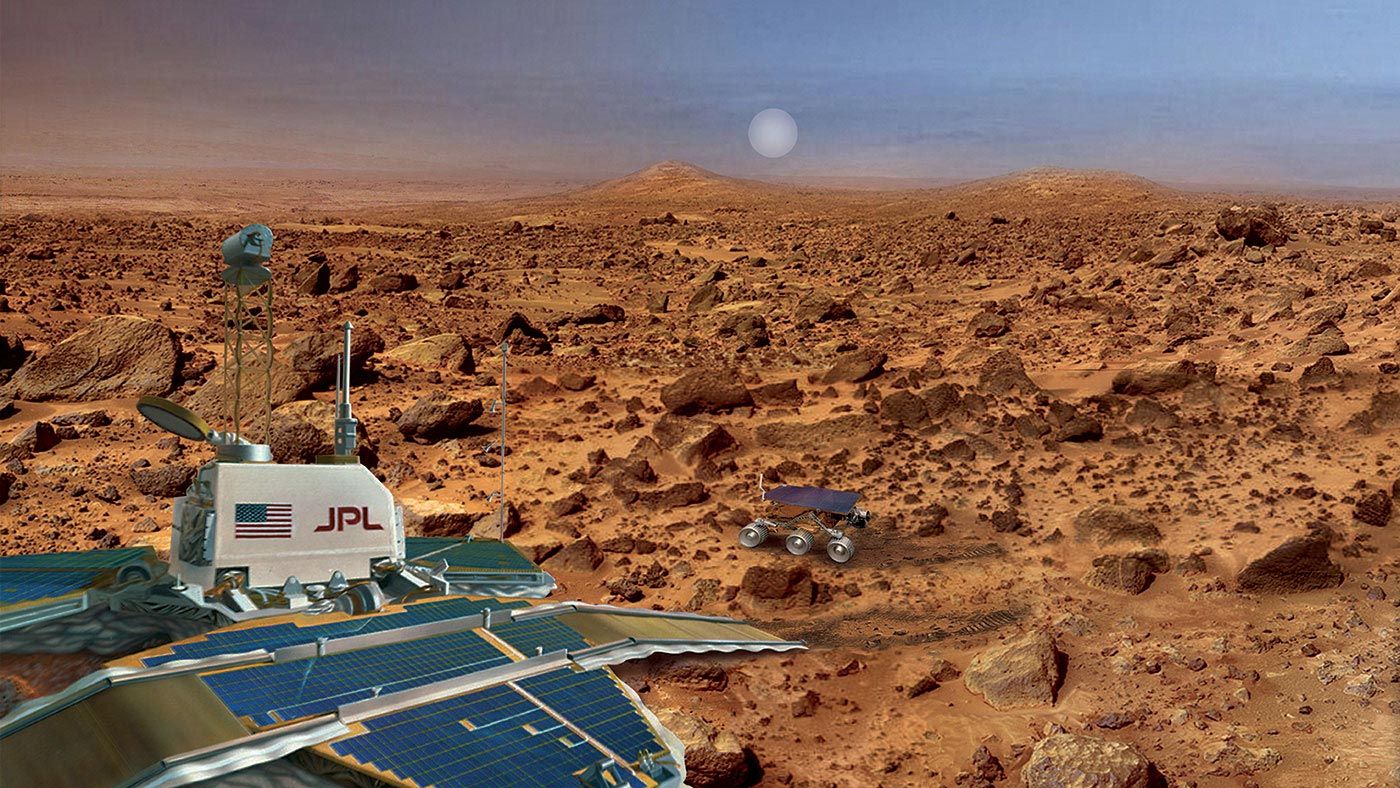
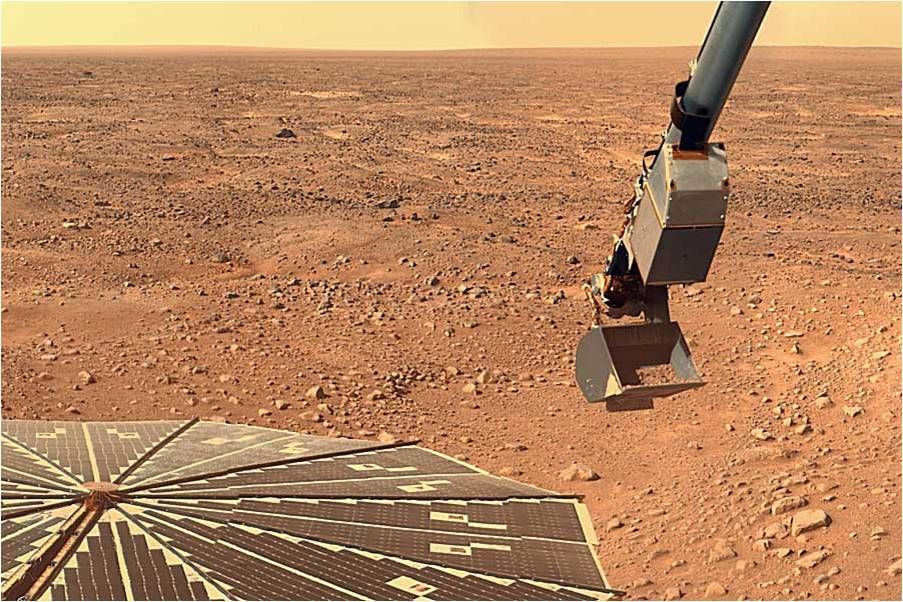
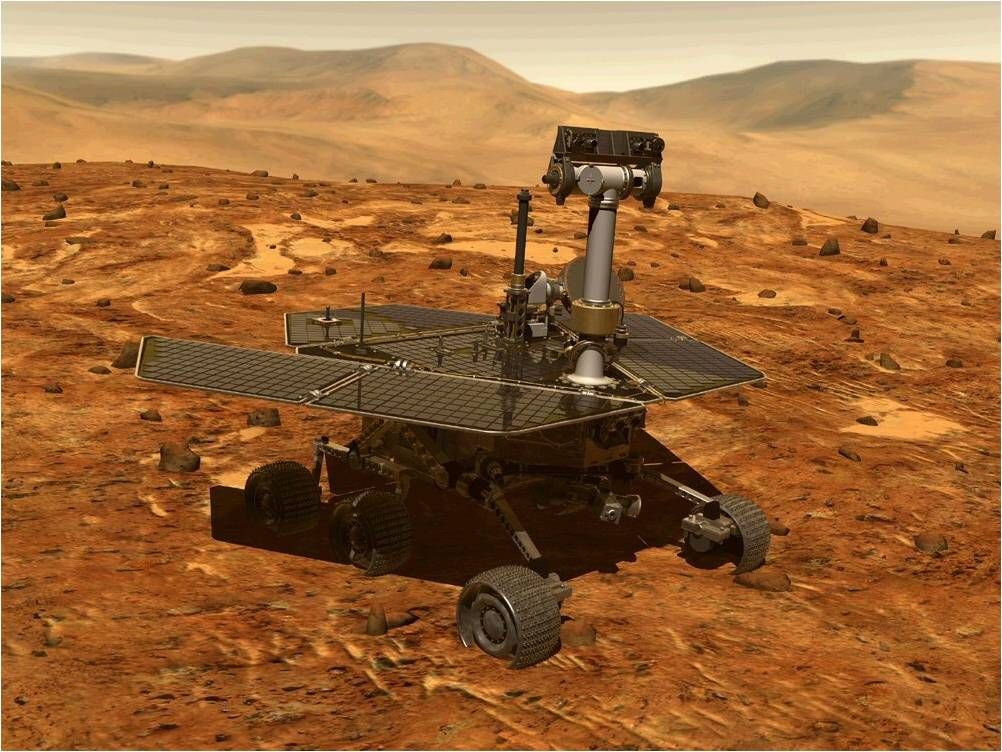
All robots. And what about humans?
The only program that existed was "Constellation," presented to Barack Obama on the day he received the Nobel Peace Prize.
The program was officially shut down on February 1, 2010, for various reasons. But it remains in the minds of some scientists, and future generations will see it resurface one day.
The only program that existed was "Constellation," presented to Barack Obama on the day he received the Nobel Peace Prize.
The program was officially shut down on February 1, 2010, for various reasons. But it remains in the minds of some scientists, and future generations will see it resurface one day.
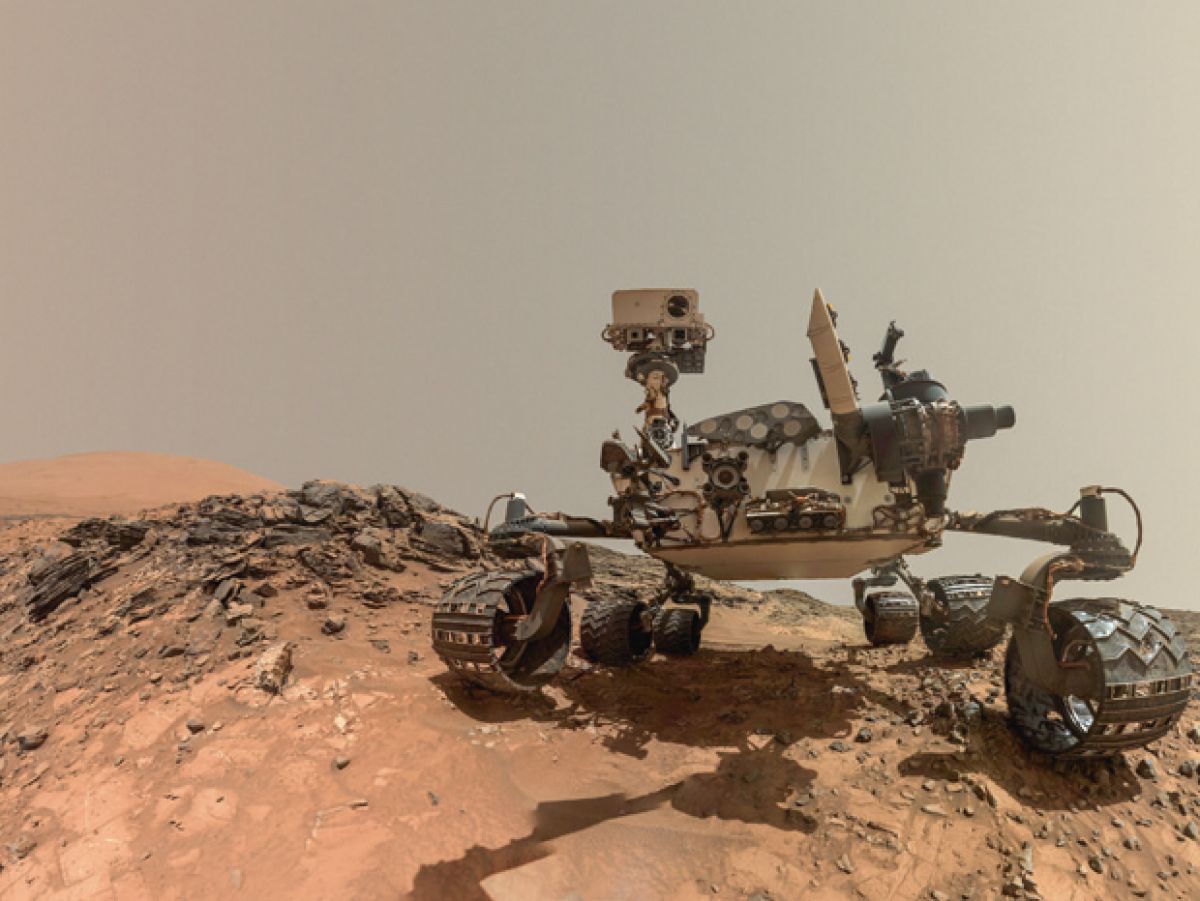
And our Martian friends, who are they?
Much like our current social media networks, which spread completely outlandish information like wildfire, but which find a positive response from the public, in the past, it only took Schiaparelli's claim that the canals observed on Mars were Martian constructions for the existence of little green men to become a reality for Earthlings searching for other inhabited planets.
Later, the Frenchman Camille Flammarion, from Juvisy-sur-Orge, and Percival Lowell, from Flagstaff, confirmed this hypothesis. They cataloged hundreds of canals.
In 1909, Eugène Antonialdi's work concluded that these canal observations were simply due to poor-quality instruments. Back to square one. But the idea of canals built by Martians would remain firmly entrenched in the human mind for a long time.
Thus, at the end of the 19th century, some wanted to make contact with Martians. To do this, they focused mirrors projecting intense light onto Mars, or wrote giant letters in the Sahara to encourage them to contact us. Nothing. They remained discreet. No response. They snubbed us.
Time passed. Small probes orbited close to Mars, including a European one, Mars Express, examining every detail with their formidable cameras.
Earthlings have landed their robots on this planet where other life was supposed to exist. They frolic amidst rocks, sands, crevices, and mountains, finding no trace of life or water. Disenchantment.
One day, humans will set foot on the Red Planet, but when? A long road still awaits them, with physiological and technical obstacles yet to be overcome. Certain skills remain unsolved, such as simply launching from Mars and returning to Earth. Yet this is essential.
One day, humans will set foot on the Red Planet, but when? A long road still awaits them, with physiological and technical obstacles yet to be overcome. Certain skills remain unsolved, such as simply launching from Mars and returning to Earth. Yet this is essential.
So, I fear that Martians will remain, for a long time to come, merely figures frozen in the imagination of some who so desperately want to discover hidden cousins on other planets. Are we alone in the universe? The eternal question.
For my part, I am deeply convinced that Martians do not exist. I confirmed my belief by contacting the head of recruitment for the Legion in Aubagne. He assured me that despite the Legion's worldwide renown, to date, no Legionnaire candidate has ever presented themselves claiming to be from Mars.
That's proof enough!
.jpg?t=aeb8a500_42ca_451a_ab7f_8e5528b4f20b)